San Luis Insulation provides home insulation, attic insulation, and spray foam services to Imperial, CA homeowners dealing with 110-degree summers, expansive desert soils, and energy bills that climb every year. We reply within 1 business day.
Every service below is matched to the specific conditions Imperial homeowners deal with: extreme desert heat, post-1980s stucco construction, slab foundations, and dust that works into every gap.
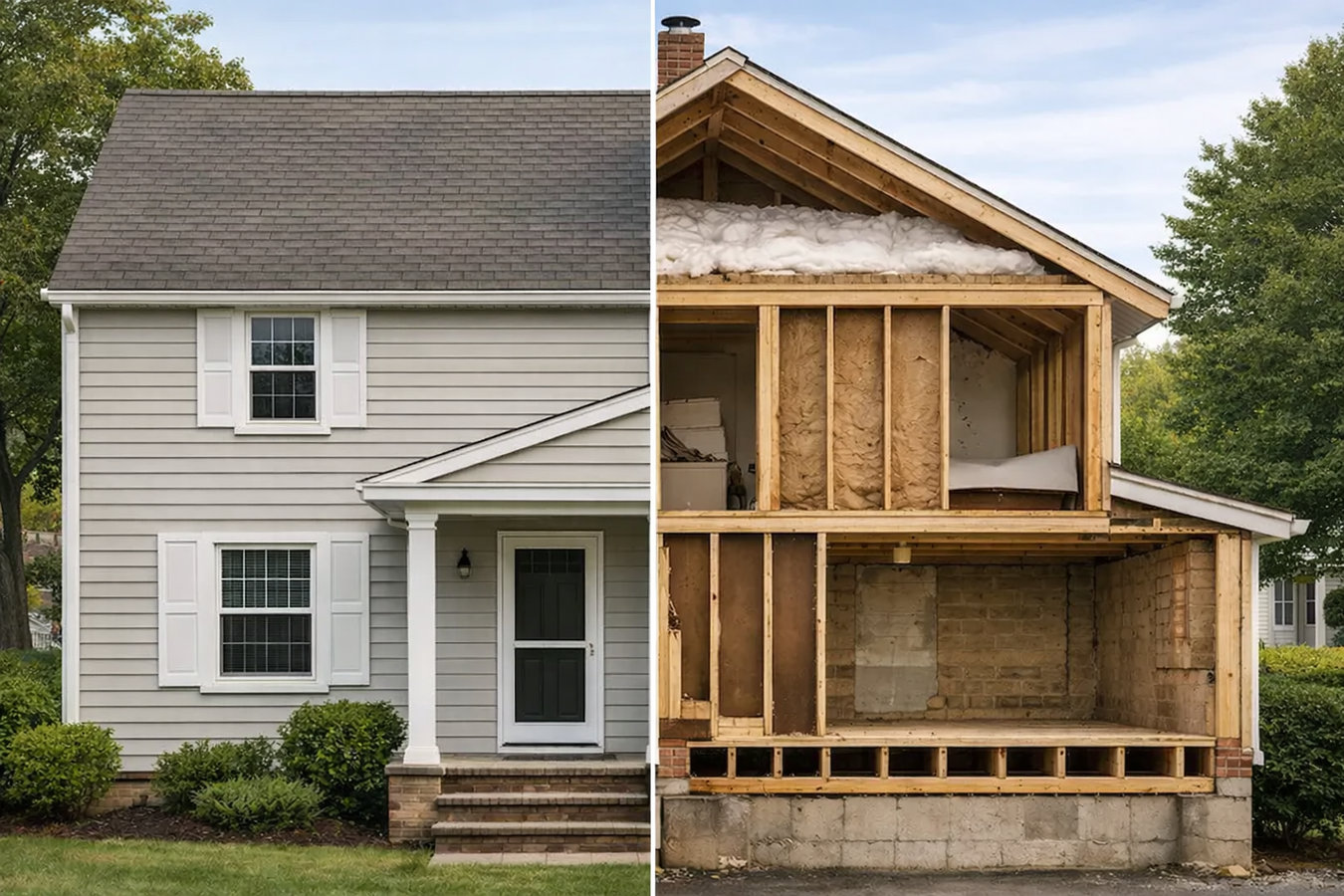
Most homes in Imperial were built in the 1990s and 2000s with minimum-code insulation that was adequate then but falls short of what today's 110-degree summers demand. Our home insulation service covers a full assessment, material selection, and installation matched to your specific construction type and budget.
The attic is where the most heat enters a home in the Imperial Valley, and it is the single highest-return upgrade for most Imperial homeowners. Adding blown-in insulation to a thin or settled attic floor can make a noticeable difference in room temperatures and electric bills within the first summer.
Spray foam insulates and air-seals at the same time, which makes it especially useful in Imperial homes where dust storms push fine particulates into gaps around pipe penetrations, recessed lights, and attic hatches. Closed-cell spray foam also acts as a moisture barrier during the annual monsoon season.
Imperial sits in a region prone to dust storms and high spring winds, and homes without thorough air sealing let in fine desert grit that clogs HVAC filters, degrades insulation, and affects indoor air quality. Air sealing before or alongside insulation closes those entry points for good.
Older Imperial homes near downtown - many built before 1990 - often have wall insulation that has settled or was installed inconsistently. Retrofit insulation adds material to existing wall cavities without full demo, which is the most practical approach for finished interiors in an occupied home.
Blown-in insulation fills irregular attic spaces and hard-to-reach cavities better than batt insulation, making it the go-to choice for existing homes in Imperial where the attic framing does not follow a neat layout. It is also fast to install, which matters when scheduling around the heat.
Imperial sits in the heart of the Imperial Valley, one of the hottest inhabited regions in the United States. Summers regularly push above 110 degrees Fahrenheit from June through September, putting sustained thermal pressure on every roof, wall, and ceiling in the city. Most of Imperial's housing stock was built between 1980 and 2010 to meet the demand of a growing population, and while those homes used stucco exteriors and slab foundations that hold up well in the desert, many were insulated to the minimum code standards of their era - standards that were not designed for today's energy costs or the sustained intensity of current desert summers.
The soils under Imperial are expansive, meaning they swell when wet and shrink when dry. That seasonal movement opens small cracks in stucco and around penetrations in ceilings and walls - entry points for hot desert air and fine dust. Homes that were built or last inspected before 2010 often have both inadequate insulation depth and unaddressed air leakage that together make the AC work much harder than it should. A contractor who has worked extensively in the Imperial Valley will recognize these patterns immediately and recommend the most cost-effective sequence of work rather than defaulting to the most expensive option.
We work in Imperial regularly, and most of the homes we see here fall into two categories: post-1990s subdivisions on the outer edges of the city with slab foundations and tile roofs, and older homes closer to downtown with original stucco and aging fiberglass batts that have been compressing for decades. Both need different approaches, and knowing which one you have before showing up matters.
Imperial Valley College is one of the city's anchor institutions, and the neighborhoods around it tend to have homes from the 1980s and early 1990s - a range where insulation performance is most variable and where upgrades tend to produce the most noticeable results. The city is easy to reach via State Route 86 and Imperial Avenue, and we serve the full city including the newer developments on the east side.
We also serve Brawley, CA to the north and El Centro, CA to the west, so if you have family or neighbors in those communities who need insulation work, we cover all of it from the same base of operations.
Reach out by phone or through the contact form and we will reply within 1 business day. We will ask a few quick questions about your home, its age, and what you are experiencing so we can show up to the estimate prepared.
We come to your home, check the attic, walls, and any accessible spaces, and give you a written estimate with no obligation. The estimate covers what we found, what we recommend, and what it will cost - so there are no surprises later.
On the installation day, our crew arrives with the right materials and equipment for your specific job. Most attic insulation projects in Imperial are done within a single day. You can stay home while we work; we will let you know what areas to keep clear.
Before we leave, we walk through the completed work with you so you can see exactly what was done. If you have any questions after we have left, call us directly - we stand behind what we install.
We serve Imperial, CA homeowners with free on-site estimates, honest assessments, and insulation work sized to your home and budget. No pressure, no upselling.
(928) 296-5342Questions specific to insulation work in Imperial, CA and the surrounding Imperial Valley.
Imperial is a small but steadily growing city in Imperial County, located in the southeastern corner of California. As of the 2020 Census, the city had around 20,000 residents - a number that has grown consistently over the past two decades as new housing developments have expanded outward from the older downtown core. The city sits roughly 10 miles north of Calexico and the US-Mexico border, and about 5 miles east of El Centro, the county seat. Imperial Valley College, located in the city, is one of the most prominent local institutions and draws students from across the region.
The housing stock in Imperial is a mix of older ranch-style homes built in the 1960s through 1980s near downtown, and newer tract-home subdivisions on the city's edges that were built in the 1990s and 2000s to meet growing demand. Nearly all homes use stucco exteriors and slab foundations, which are standard throughout the desert Southwest. Homeownership rates here are higher than in many California cities, which means residents have a long-term stake in keeping their homes performing well. Neighboring communities including Calexico and Brawley share similar housing characteristics and are also part of our service area.
High-performance spray foam that seals and insulates in one application.
Learn moreProfessional vapor barrier installation to protect your structure.
Learn moreSummer heat in Imperial does not wait, and neither should your insulation. Call us now or submit a request online and we will get back to you within 1 business day.